



Spark Cup: After a Crushing Defeat to China's Top Team, Why Is Huacheng's Head Coach Excited?
19/08/2026 15:35:19 十年老球迷
 0
0  0
0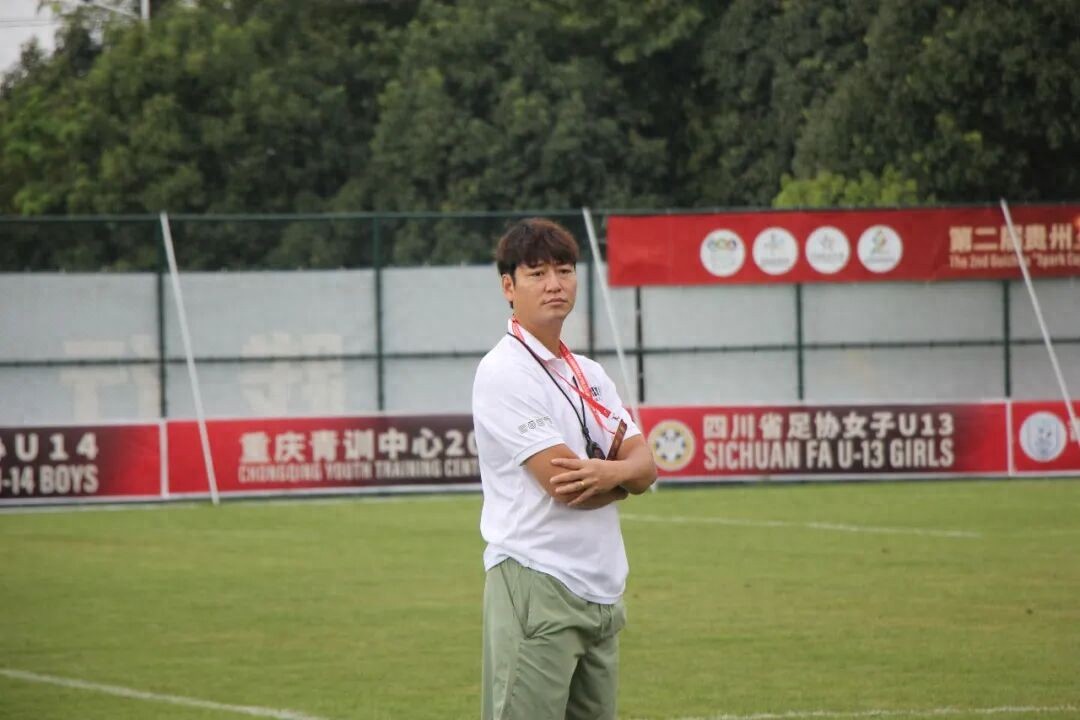
By Nannan In the early hours of August 19, Choi Seong-ju woke up in the apartment building at the Qingzhen Sports Training Base in Guizhou Province. He pressed his watch, the screen lit up, and four digits were clearly visible: 3:17 AM. Choi usually sleeps well, and there is only a one-hour time difference between South Korea and China, so waking up so early was due to still adjusting to the apartment bed. Choi and the Huacheng City team had only arrived in Guiyang at 6 PM on the 18th, and at 8:40 AM the next day, they were to step onto the Spark Cup field, facing the top domestic team, Evergrande Football School.
Choi was supposed to arrive in Guiyang two days earlier, but the national competition semifinals in South Korea conflicted with the Spark Cup, so the team could not depart as scheduled. Rescheduling a large group's international flights from South Korea to Guizhou with a transfer in between is a complex logistical puzzle, especially regarding seat coordination. As a result, Huacheng arrived later than planned. Upon arrival, Choi's first action was to apologize for the delay and immediately express his desire for the team to face strong Chinese opponents of the same age.
This was not just a polite gesture. In January this year, Choi's Huacheng U15 team had already visited China. At that time, four South Korean teams traveled to Dingnan, Jiangxi, to compete against 12 Chinese teams. On the first match day, the fast pace of the game between Huacheng and the Zhejiang team amazed the other 11 Chinese teams. The then Zhejiang team leader and head coach praised the quality and pace of the game. That trip to Dingnan left a deep impression on Choi regarding the development of Chinese youth football, but also left him with a regret: due to the tournament format, his team did not get to face Evergrande Football School, the eventual champions.
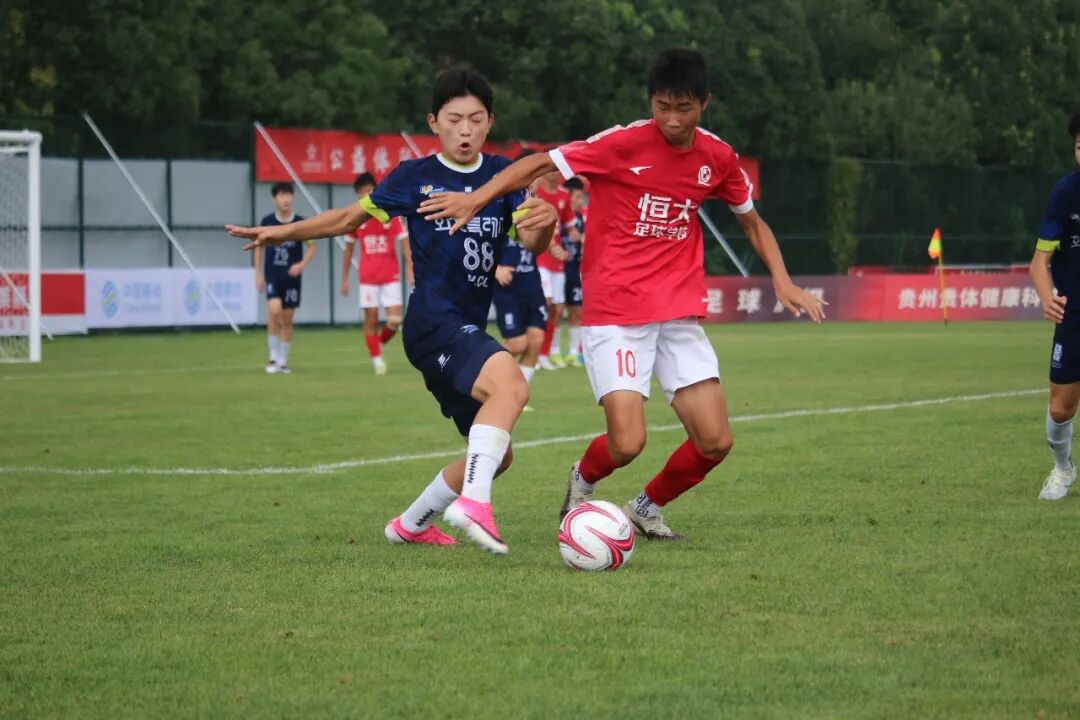
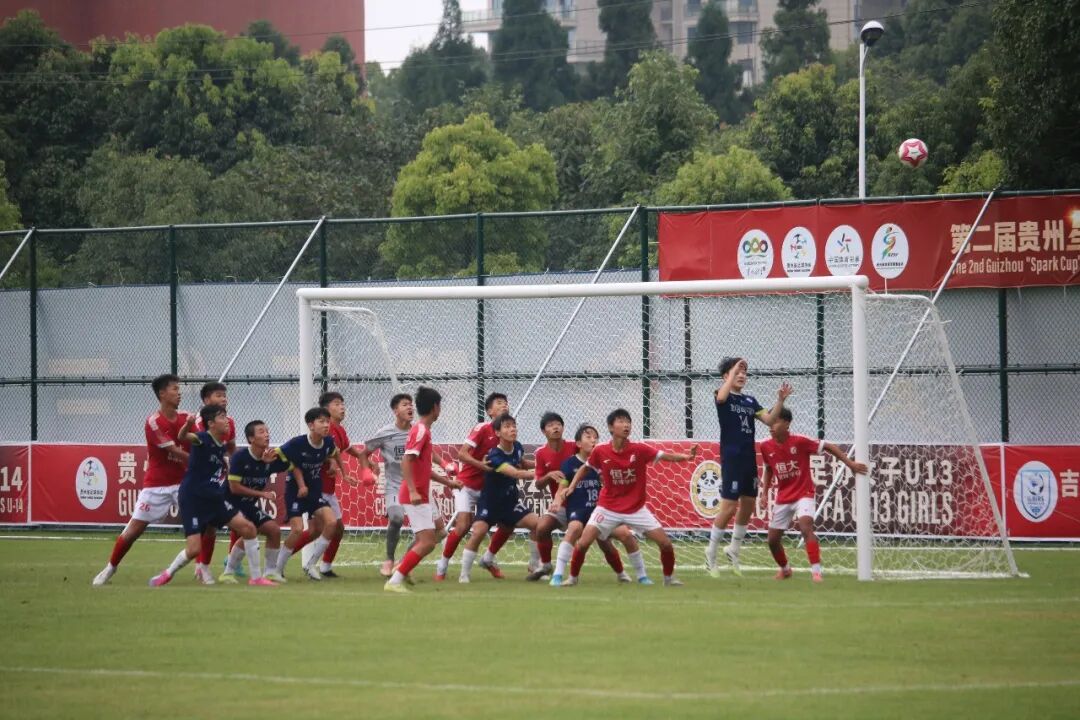
This regret was finally addressed at the Spark Cup, but in a much harsher way than Choi had imagined. A 0-5 defeat was Choi's most painful loss this year. Although they became the first team in the tournament to pose a significant threat to Evergrande Football School, Huacheng could not avoid a heavy defeat.
After the match, Choi was quite calm. He said, "I knew about Evergrande Football School; their players are excellent in physical condition and all aspects, and they dominated the game." When he learned that eight of Evergrande's key players missed the game due to being called up for the Guangdong Provincial Games, he frankly stated, "Evergrande also lost key players, and we had many starters absent due to injuries from the national competition. But this is the environment that both coaches and players must face." Choi was not making excuses for the loss; he was simply stating the team's situation from a coach's perspective.
As for fatigue, he answered more directly: "As a football player, you must adapt to the host's schedule; that's part of being a player." Fatigue is a fact, but it is not an excuse for losing. In South Korea, most matches are played on artificial turf, and in the first game of the Spark Cup, Huacheng was still getting used to natural grass. However, Choi still believed these were not the decisive factors in the match result. In January in Dingnan, he had already led his team through six high-intensity matches and gained a thorough understanding of the enthusiasm for youth football development in China. He knew Chinese teams were improving and understood what the level of the Spark Cup meant.
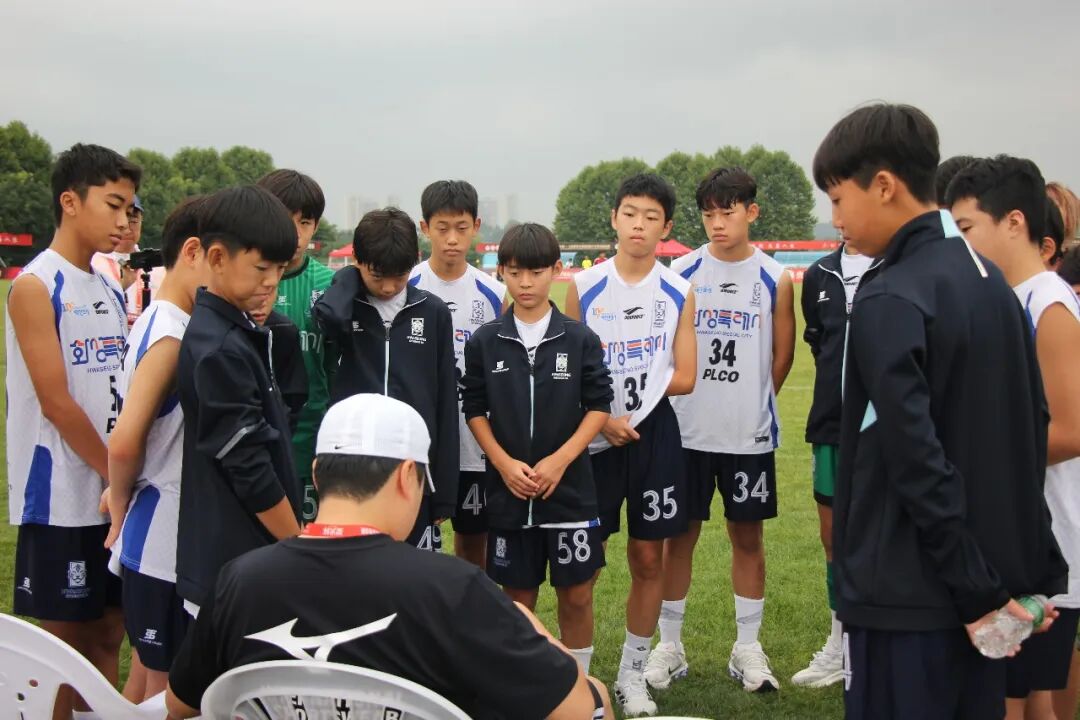
The schedule gave Huacheng no time to rest. After playing Evergrande today, they would face the CFA Chengdu Regional Youth Training Center Selection Team tomorrow. Facing the strongest opponents of the same age group in China for two consecutive days, Choi, who had just suffered a defeat, was instead somewhat excited. He believed such matches were extremely beneficial for his players' development: "In January, I already competed against some very good Chinese clubs, and I could see that Chinese football is developing better and better. By playing against Chinese teams, I can also see many good aspects and will absorb the strengths displayed by Chinese teams into my own team."
Losing is just the result; the game itself is the purpose. From the six matches in Dingnan in January to the first stop of the Spark Cup in Guiyang in August, Huacheng has won and lost. They came to China not to win every match, but to face different opponents on different pitches and find areas where they still need to improve. A score of 0-5 is a glaring number, but Choi's approach was to break down the result into specific issues: adapting to the pitch, physical disparity, and missing key players, and then solve them one by one.
"In youth matches, the result is not the most important thing; this is not the World Cup," Choi said. "I believe that as we start to adapt, the matches will get better and better."


Wonderfulshortvideo

mbappe news mbappe edit mbappe new shoe boot deal mbappe nike



julian alvarez barcelona news

James Trafford’s big moment in the U21 EURO final 🤯

RODRI BARCELONA transfer barcelona news today rodri to barcelona transfer here we go

gianni infantino and trump drama news

jorge messi death messi news today football news today

jose mourinho netflix documentary pep guardiola mourinho beef mourinho edit
 Links
Links
 Contact